

Draft concept prepared for Jill P. Carter's review. This is not the Institute's live website.
Walter P. Carter Institutefor Leadership and Service

The work is the legacy.

The Walter P. Carter Institute for Leadership and Service prepares everyday Marylanders to lead in their own communities. Its first program, CLEP, is a free, nonpartisan, 10-week civic leadership program.

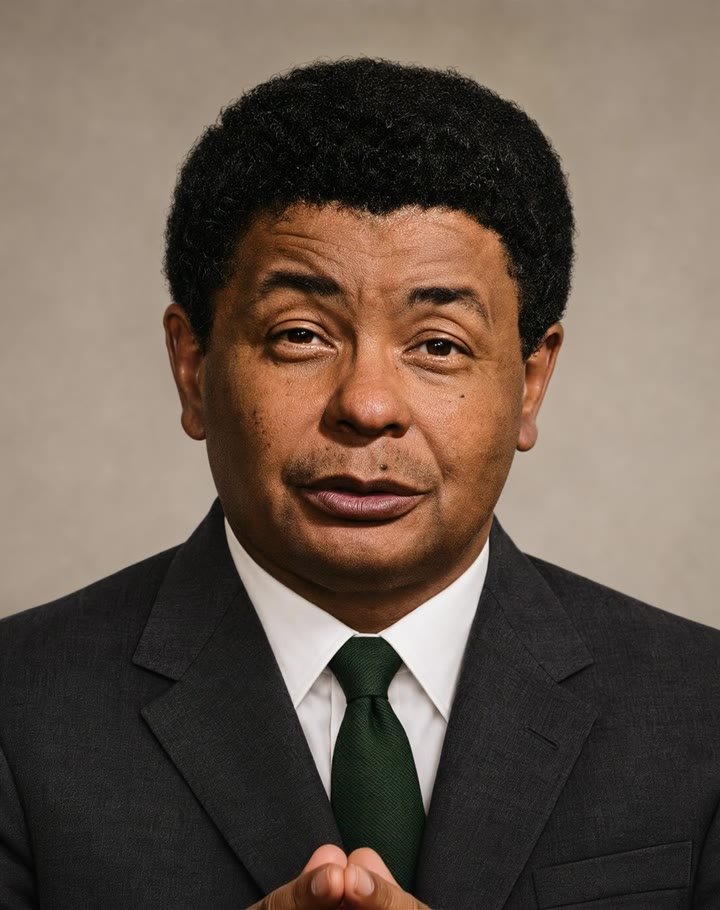
Still from the tribute film: an AI recreation of Walter P. Carter in a dark suit and green tie

A welcome in his name

Making a special guest appearance from the great beyond to tell you what the Institute is all about, please welcome Walter P. Carter.

Read the transcript

Welcome to the Walter P. Carter Institute for Leadership and Service.

We marched, rode and organized because the doors of our city should be open to everyone. We challenged segregation in public places. We fought for fair housing. And we understood that the work reached into every neighborhood, where families need opportunity and a voice in the decisions shaping their lives.

That work belongs to you now. Learn how decisions are made. Ask questions. Stand beside your neighbors. When you see a door that needs opening, bring others with you.

Lead. Serve. Build.

About the Institute

The Walter P. Carter Institute for Leadership and Service strengthens communities by developing leaders and opening lasting paths to opportunity.

Walter P. Carter spent his life educating, organizing and mobilizing people to lead where they lived. The Institute continues that work in three ways.

More about the Institute

  • Civic education

    Making government and public decision-making easier to understand and to take part in.

  • Leadership development

    Preparing residents to lead in neighborhoods, nonprofit organizations and public institutions.

  • Partnerships

    Connecting residents and organizations with the resources, relationships and opportunities their work needs.

He organized Maryland to open its doors.

Walter P. Carter was a social worker, a World War II veteran and the chairman of Baltimore's chapter of the Congress of Racial Equality. He spent his life getting ordinary people to act together. CLEP teaches that same work to a new generation.

  1. Chairman of Baltimore CORE

    Leads the local chapter of the Congress of Racial Equality through 1963, its most active years.

  2. Freedom Rides and sit-ins

    Helps organize Freedom Rides to the Eastern Shore and protests at Gwynn Oak Park and at restaurants along Route 40.

  3. March on Washington

    Serves as Maryland coordinator, bringing residents from across the state to the march.

  4. Marching for fair housing

    Coordinates a march of more than 3,000 people against housing segregation.

  5. Activists for Fair Housing

    Co-founds the group with fellow CORE members to challenge discrimination by landlords and lenders.

  6. A vote that moved the city

    The City Council rejects his appointment to lead the Community Action Agency, 10 to 8. Committee members resign in protest.

  7. Working to the end

    Dies at 48 on July 31, while giving a report to the Black United Front at Union Baptist Church.

  8. The Institute opens

    His daughter, Jill P. Carter, founds the Walter P. Carter Institute for Leadership and Service.

Watch the tribute film

Community Leadership Empowerment Program (CLEP)

CLEP is the Institute's first major initiative: a free, nonpartisan, 10-week program of civic education and leadership development. Participants sharpen their advocacy skills, build connections with peers and meet mentors committed to public service.

What participants do

  1. Assess a communityExamine the challenges and strengths of a neighborhood.
  2. Talk with public servantsLearn from experienced practitioners how public decisions are made.
  3. Practice with the mediaWork through simulations of communicating and advocating in public.
  4. Explore ethics and accountabilityIntegrity and responsibility to the community guide the program.
  5. Complete a capstoneWrite and present a project that applies the learning to a community issue.
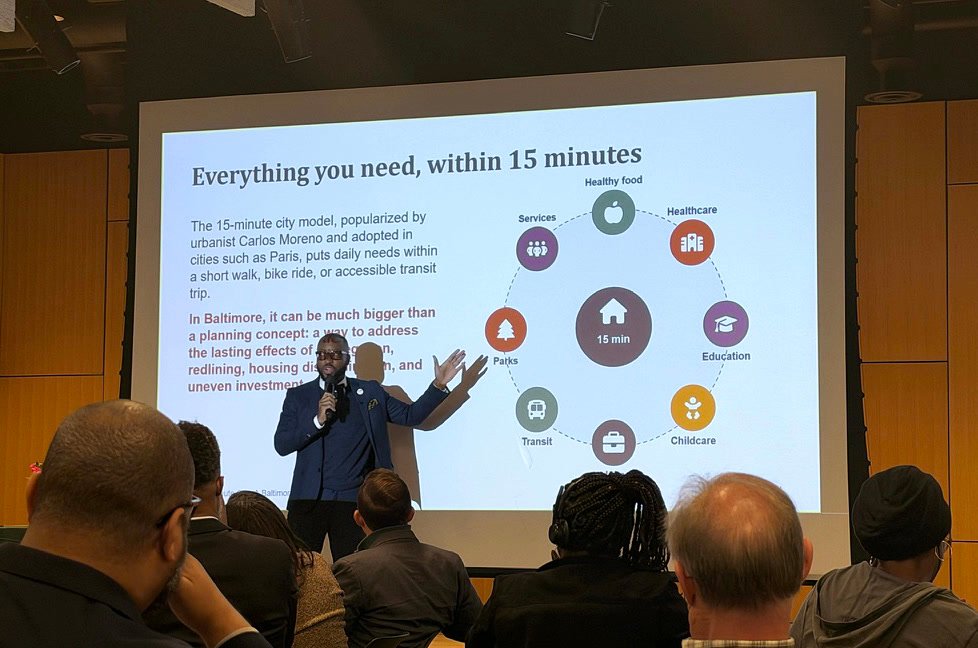
A presenter in a blue suit gestures toward a projected slide titled Everything you need, within 15 minutes, as seated guests watch
A graduation presentation explored what it would mean for Baltimore residents to reach everyday services within 15 minutes.
Cost
Free
Approach
Nonpartisan
Length
10 weeks
Finish
Capstone project

The founding cohort has graduated.

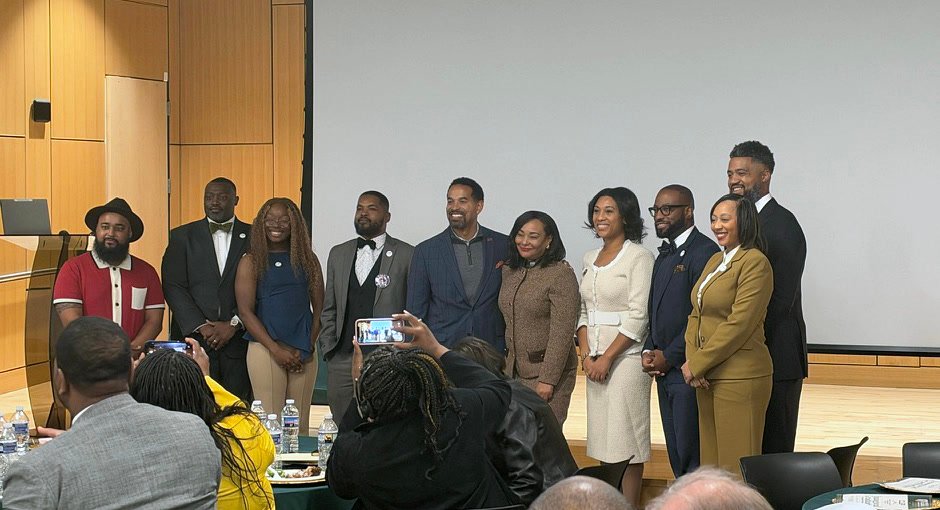
CLEP's first five participants presented their capstone projects and received their certificates on November 21, 2026.

Ten people stand in a row on a stage in front of a projection screen while seated guests take photographs
The founding cohort and guests at the CLEP graduation, Baltimore Unity Hall, November 21, 2026.

Meet the founding cohort

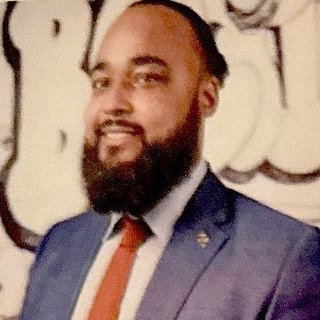
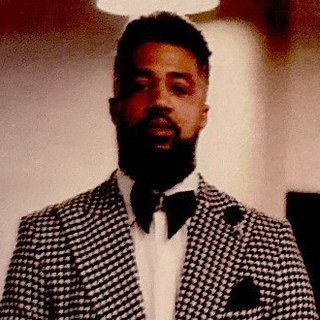
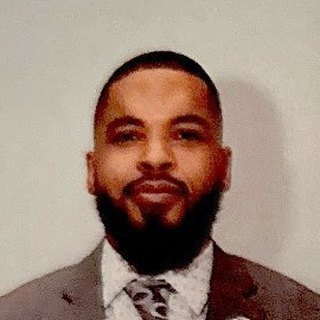
  • Portrait of Bolon Zahir Xi-Amaru

    Bolon Zahir Xi-Amaru

    Works on food justice, renewable energy and neighborhood-led solutions in West Baltimore.

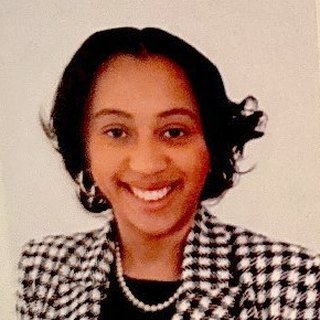
  • Portrait of Khadija A. Ba

    Khadija A. Ba

    Works in legislative research, civic engagement and coalition building.

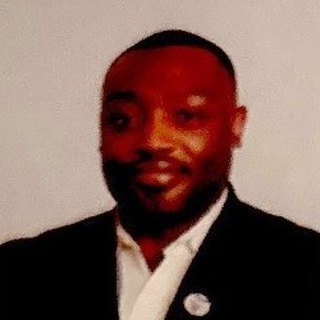
  • Portrait of Ryan Turner

    Ryan Turner

    Works to expand educational opportunity, mentorship and economic mobility for Baltimore youth.

  • Portrait of Trenae’ L. Watson, Esq.

    Trenae’ L. Watson, Esq.

    Founded the Legacy Foundation and works in public service and youth mentorship.

  • Portrait of Anthony Weldon, Jr.

    Anthony Weldon, Jr.

    Builds workforce partnerships and career pathways in cancer research.

Portraits reproduced from the printed graduation program.

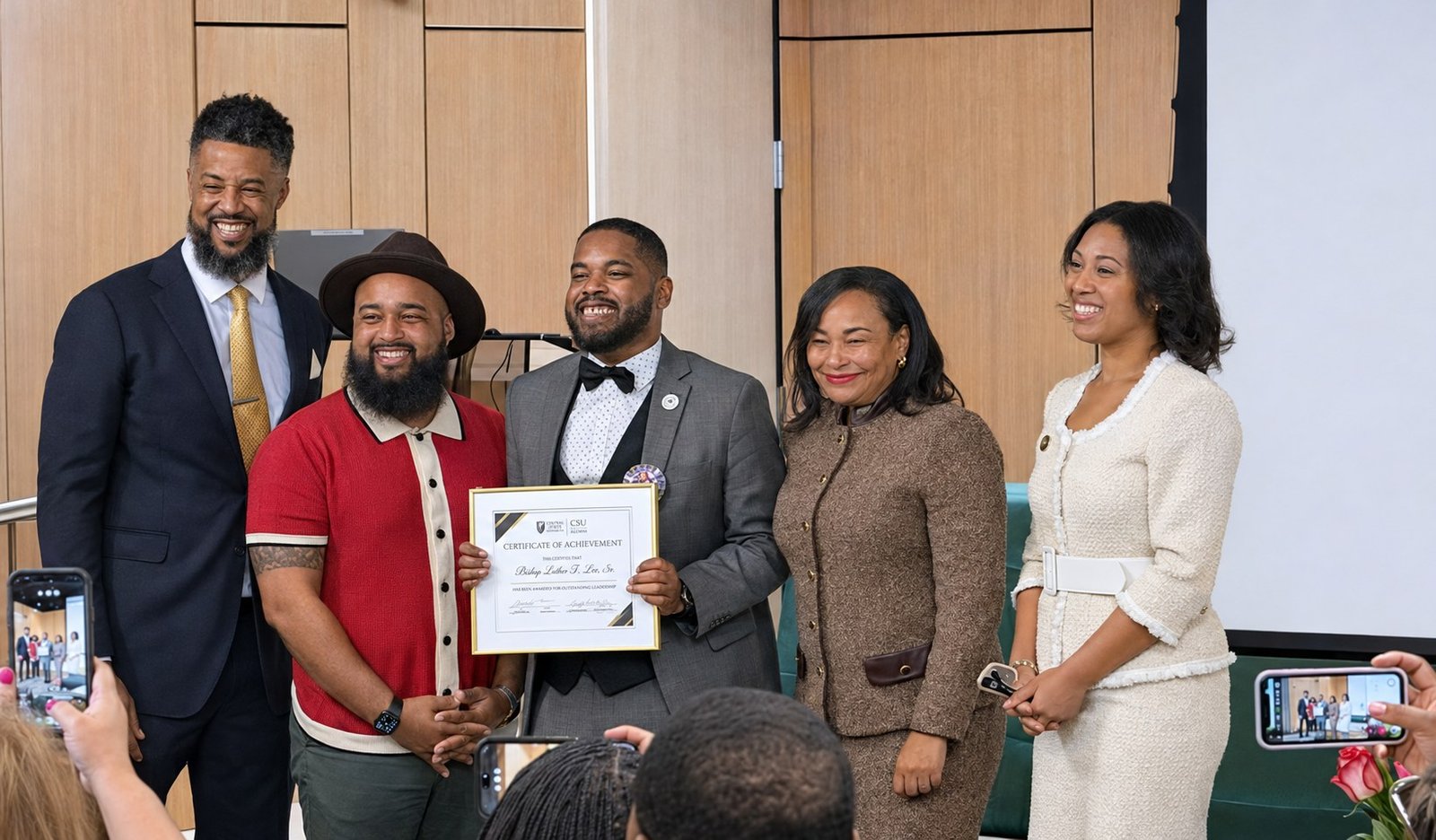
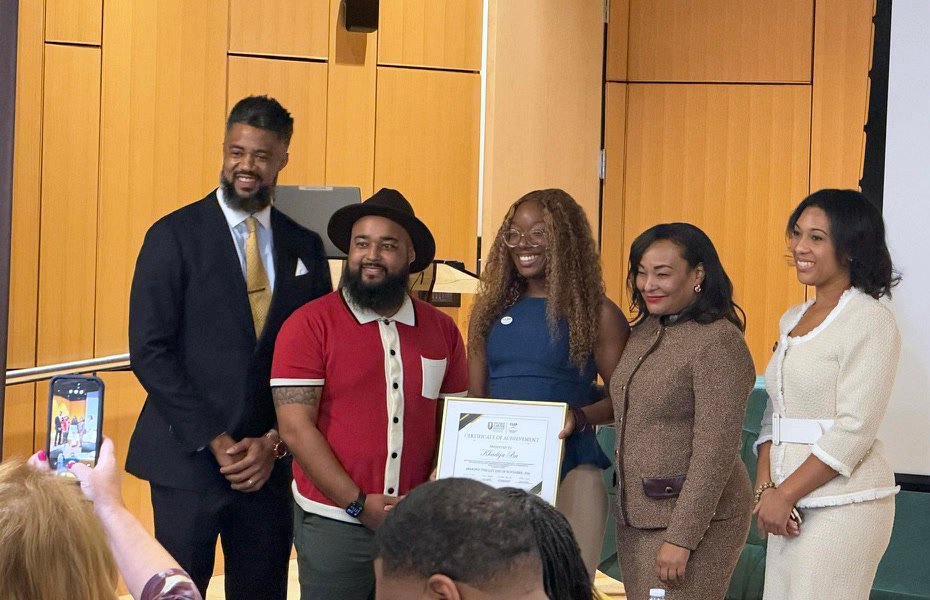
A graduate in a gray suit and bow tie holds a framed certificate, standing with four other people as guests photograph themA graduate in a blue dress holds a framed certificate, standing with four other people at the front of the hall
Certificate presentations at the founding cohort's graduation.

The learning behind the projects

Before presenting, the cohort studied community assessment, spoke with public servants, practiced media simulations and explored ethics and accountability.

Each participant then completed a written capstone project and presentation, applying that learning to a community issue and identifying a path toward action.

Will Jawando gave the keynote address at the graduation.

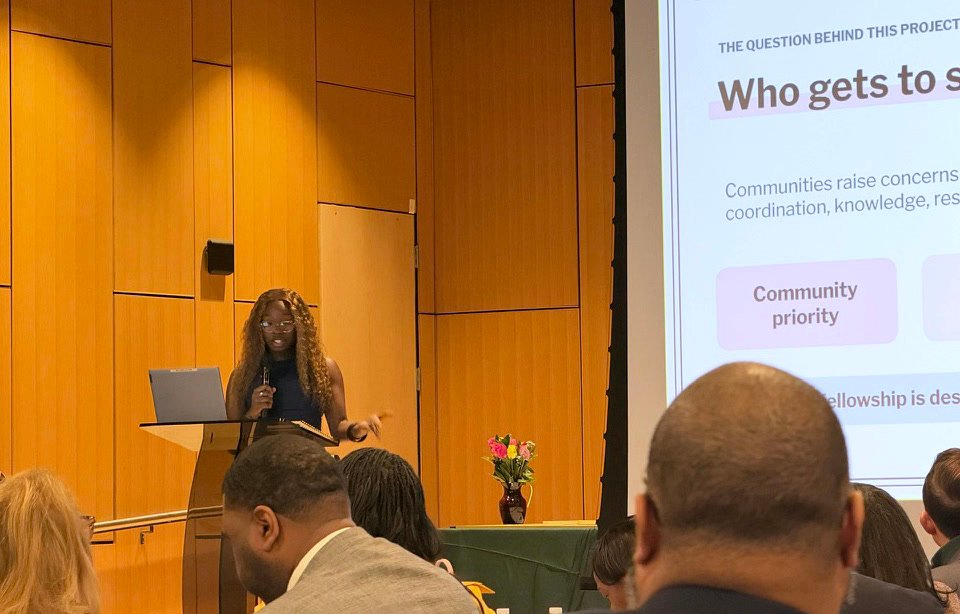
A presenter in a blue dress speaks at a lectern beside a projected slide while guests listen from their tables
A capstone presentation at the graduation.
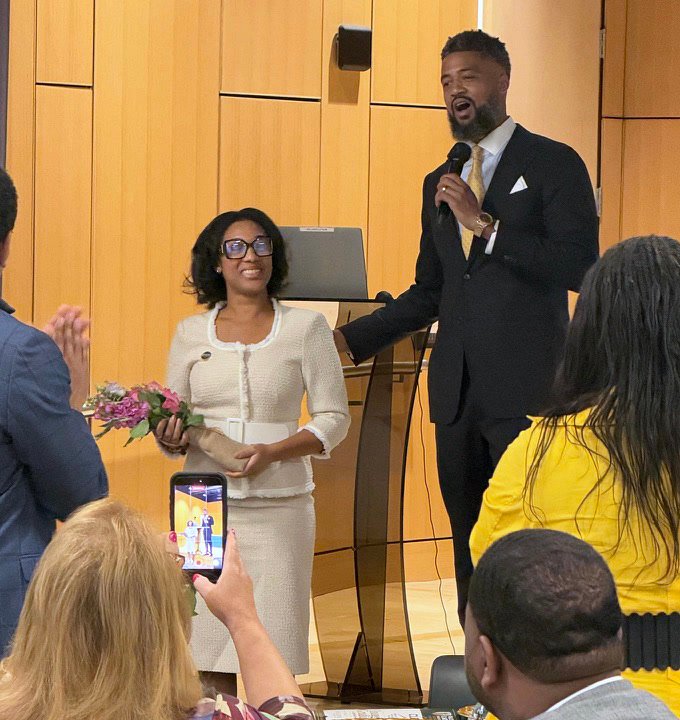
A woman in a cream suit holds a bouquet and smiles as a man in a dark suit speaks into a microphone and guests applaud
Flowers and applause near the close of the ceremony.
Date
November 21, 2026
Place
Baltimore Unity Hall
Program
Capstone presentations, keynote address, reflections from the cohort and presentation of certificates

Leadership

Four people lead the Institute and its first program.

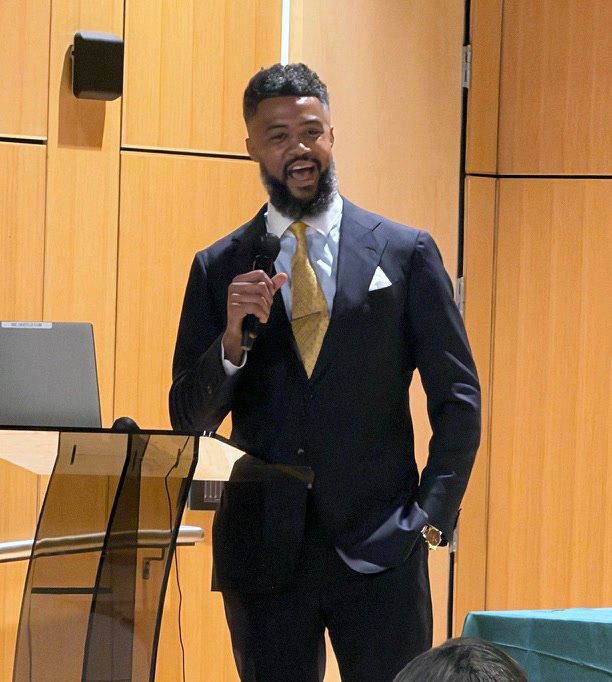
A man in a dark suit and gold tie speaks into a microphone beside a glass lectern
Remarks during the graduation program, November 21, 2026.
Portrait of Jill P. Carter, Esq.

Jill P. Carter, Esq.

Founder, Walter P. Carter Institute for Leadership and Service

A Baltimore native, civil rights attorney and former Maryland State Senator. She represented Baltimore's 41st District in the House of Delegates and the State Senate.

She is a graduate of Western High School, Loyola University Maryland and the University of Baltimore School of Law, and the youngest daughter of Walter P. Carter.

In December 2024, Governor Wes Moore appointed Jill P. Carter to the Maryland State Board of Contract Appeals.

Jill P. Carter and Maryland Governor Wes Moore share a laugh at a table
Jill P. Carter with Governor Wes Moore at a December 2023 celebration in her honor. Photograph by Damani Digital.
Portrait of Chezia Cager

Chezia Cager

Co-Founder & Director of Strategy and Operations, Walter P. Carter Institute for Leadership and Service

A public affairs and communications strategist with more than 20 years of experience across federal, state and local government.

A third-generation Baltimorean and longtime college educator, she also brings experience in nonprofit governance, fundraising and community engagement.

Portrait of Kristerfer Burnett

Kristerfer Burnett

Co-Founder, Community Leadership Empowerment Program (CLEP)

A community organizer and former Baltimore City Councilman who represented the 8th District from 2016 to 2024.

His career spans labor organizing, housing advocacy and public service. He co-founded Neighbors Without Borders of Greater Southwest Baltimore and the Edmondson Village Farmers Market.

Portrait of Aaron Maybin

Aaron Maybin

Co-Founder, Community Leadership Empowerment Program (CLEP)

A Baltimore-born artist, educator, author, community activist and former NFL player.

He has developed arts and literacy programs for Baltimore students and co-founded Operation Heat to support city schools facing inadequate heating.

Portraits reproduced from the printed graduation program.

Keep CLEP free.

No participant pays to attend. Choose the way you want to help.

Donate

Ask how to contribute toward the next cohort.

Ask about donating

Volunteer

Share your time or expertise with participants.

Offer your time

Partner

Connect your organization with the Institute.

Propose a partnership

Enroll

Ask about joining the next CLEP cohort.

Get in touch.

Email
Instagram
Based in
Gwynn Oak, Maryland

Sending this form means you accept the privacy notice.

Privacy notice

What we collect. Only what you type into the form: your name, your email address, the subject you choose and any message.

What happens to it. Your submission is saved in a private file on the Institute's website host and emailed to the Institute. We use it to reply to you and, if you join the interest list, to tell you when CLEP applications open.

What we do not do. We do not sell or share your details, and this site sets no advertising or tracking cookies. To limit spam, a scrambled record of your network address is kept temporarily.

Your choices. Write to to see, correct or delete what you sent, or to leave the interest list.

This page collects nothing. The buttons above open your own email app. Your message goes from your email account to the Institute's inbox, and the Institute uses it only to reply to you.

This site sets no advertising or tracking cookies.

The page's typefaces load from Google Fonts, so Google receives your network address when the page opens.